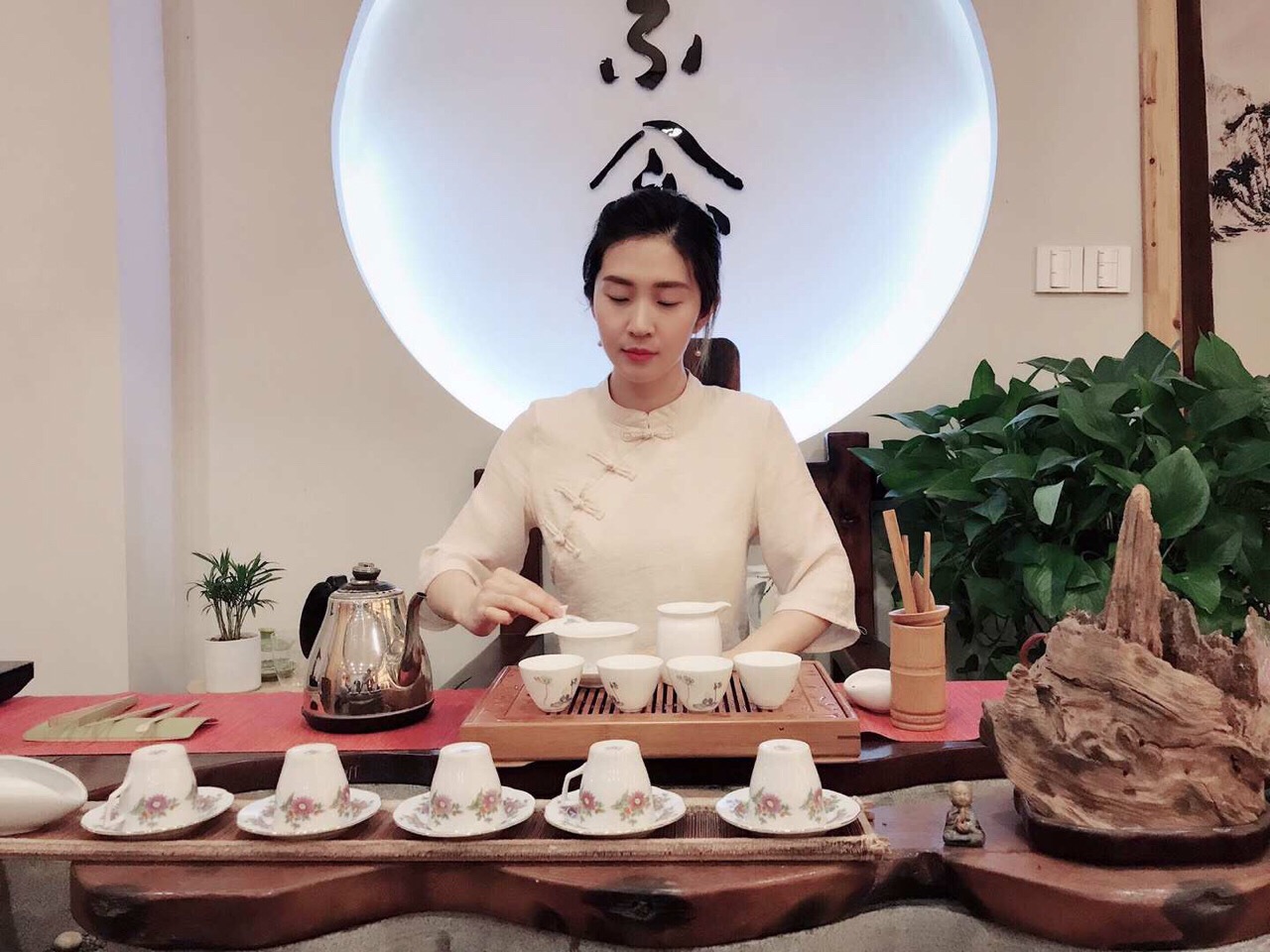
Today, I wanted to share a little about Chinese tea culture and introduce you to the beauty and intention behind the Kung Fu Tea Ceremony. Tea, in Chinese tradition, is more than a drink—it is a quiet ritual, a form of mindfulness, and a way of connecting with both the present moment and centuries of heritage.
At the end of this post, I’ve included a video of myself performing traditional Chinese Kung Fu tea ceremony. If you’re short on time, feel free to skip ahead and simply enjoy the visual experience.
What Is the Kung Fu Tea Ceremony?
The Kung Fu Tea Ceremony (Chinese: 功夫茶) involves the ritualised preparation and presentation of Chinese tea. The term “Kung Fu Tea” literally translates to “making tea with skill”—a name that reflects the patience, precision, and attentiveness required in each step of the process.
Today, Kung Fu tea is commonly practised in Chinese tea houses and by tea connoisseurs who use this method to fully optimise the flavour, aroma, and overall experience of tea drinking. Rather than rushing, the ceremony encourages slowing down and appreciating the subtle changes in each infusion.
The Importance of Water Temperature
Before the ceremony begins, the tea master determines the appropriate water temperature for the specific type of tea being used. Reaching and maintaining the correct temperature is essential, as it directly affects the flavour and character of the tea.
As a general guide:
95°C for Oolong tea
100°C (boiling) for compressed teas, such as Pu-erh tea, White Tea, and Anhua Dark Tea
This careful consideration ensures that the tea leaves are gently awakened and fully expressed.
Essential Tools for a Kung Fu Tea Ceremony
A traditional Kung Fu tea setup includes several key items, each with its own purpose:
Brewing vessel – A teapot or a covered bowl known as a Gaiwan
Tea pitcher (Chahai) – Used to ensure consistency in flavour and colour
(Chinese: 公道杯, Pinyin: gōng dào bēi)
Hot water kettle – Often an electric kettle
Brewing tray (Chachuan) – Designed to hold spills and excess water
Tea towel or cloth (Chajin) – Usually dark-coloured
Tea spoon / tea pick (Chashi) – Used for measuring tea leaves, clearing the teapot spout, and handling leaves
(Chinese: 茶匙, Pinyin: chá shí)
Tea cups – Traditionally three matching cups, also known as Pinming Cups
(Chinese: 品茗杯)
Each element plays a role in creating a harmonious and intentional tea experience.
Preparing the Tea
Once everything is prepared, the ceremony flows gently into the brewing process itself —warming the vessels, rinsing the leaves, and allowing the tea to unfold over multiple infusions. Each pour offers a slightly different expression of the tea, inviting patience and presence.
Below, you’ll find the full video of me preparing Chinese Dark Tea using the Kung Fu tea method. I hope you enjoy watching it as much as I enjoyed preparing it.
If you have any questions or are curious to learn more about tea culture, feel free to leave a comment—I’d love to hear from you ☺️